





The FIFA World Cup in 2026 will be the biggest celebration our sport has ever seen. Forty eight teams, three host nations in Canada, Mexico and the United States, and iconic venues from Mexico City to New York. A true festival of football. Yet alongside the excitement, a tough question has landed in households across the UK and beyond. How many ordinary families can realistically afford to be there?
Recent announcements have sparked anger among supporters. Ticket prices for official allocations have soared. England fans face hundreds of pounds for group matches and thousands for the later rounds, with the cheapest final tickets now over £3,000. Scotland’s figures follow the same pattern. Fan groups have called the increases scandalous and urged the FA to challenge FIFA. The FA has promised to raise concerns, but few expect significant change.
If you are a parent, none of this will surprise you. You have probably done the maths and winced. Between tickets, flights, accommodation and time off work, the cost of attending is beyond reach for most families. Some fans will still go because the World Cup’s magic pulls hard, but for the vast majority of children the tournament will be one they experience at home, together, on TV.
The way we see it is that this is not a consolation prize. It is an opportunity.
Why this matters for families
Big tournaments give children heroes, dreams and stories to treasure. But the real learning happens in small, repeatable moments. A five minute skills game before kick-off. A passing challenge after school. A backyard penalty shootout at half time. These are the building blocks of confidence and skill.
The debate about ticket prices is important, but it should not steal the joy from our kids. For most families, the World Cup will be a home experience and that can be wonderful. Watching together can become playing together. A short kickabout before a big match is the simplest ritual, fresh air, movement and laughter. Skill building can be part of the fun too. Use a quick Family F.C. session to learn one move, then spot it in the game and say, “Look, that is the same turn Saka uses.” If 2026 inspires your child, imagine what they could achieve by the time the 2034 or 2038 World Cups come around. Building the habit now is what makes those dreams possible.
The reality of pricing and what families can do

The numbers tell their own story. Group stage tickets for England start at around £164 and climb to over £500. Knockout rounds see the prices rise sharply. A quarter final could cost more than £1,000, a semi-final up to £2,370 and the final between £3,129 and £6,489 for a single seat. Scotland’s figures are similar. Compared to Qatar 2022, the cost of following a team all the way has jumped by as much as five times. Dynamic pricing and limited access to cheaper categories could mean that general sales prices are even higher.
Since the initial announcement, FIFA announced a major climbdown on ticket pricing after a global backlash. A new ‘Supporter Entry Tier’ will see a few hundred seats at each game offered to loyal fans for as little as $60, a dramatic drop from the eye-watering $4,185 originally quoted for the final. It’s a welcome gesture, but let’s be honest, a few hundred tickets per match won’t change the reality for millions of families worldwide who will never set foot inside a World Cup stadium.
For most parents and kids, attending the World Cup in person will still be beyond reach. But that doesn’t have to mean that the magic disappears. It means we can embrace the tournament in ways that matter most. Watching together, spotting the skills on screen and then heading outside to learn them. Every match can become a chance for fun, connection and learning.
Keeping football simple
Parents already face other costs in football such as replica kits, boots, club fees and travel. The risk in years like this is that families feel pressured to buy their way into belonging. The antidote is simple. A ball. A few cones or markers. An adult’s encouragement. Short, easy to follow sessions that build skill and joy. That is enough.
Family F.C. exists to make those sessions practical. The app sits alongside your ball and your cones and your enthusiasm. It fits around your day rather than dictating it. It offers short activities that match your child’s age and interests and gives you ideas for linking what you see on television to what you try outside. Most of all, it helps you turn shared time into progress and into memories.
Making the World Cup work for families
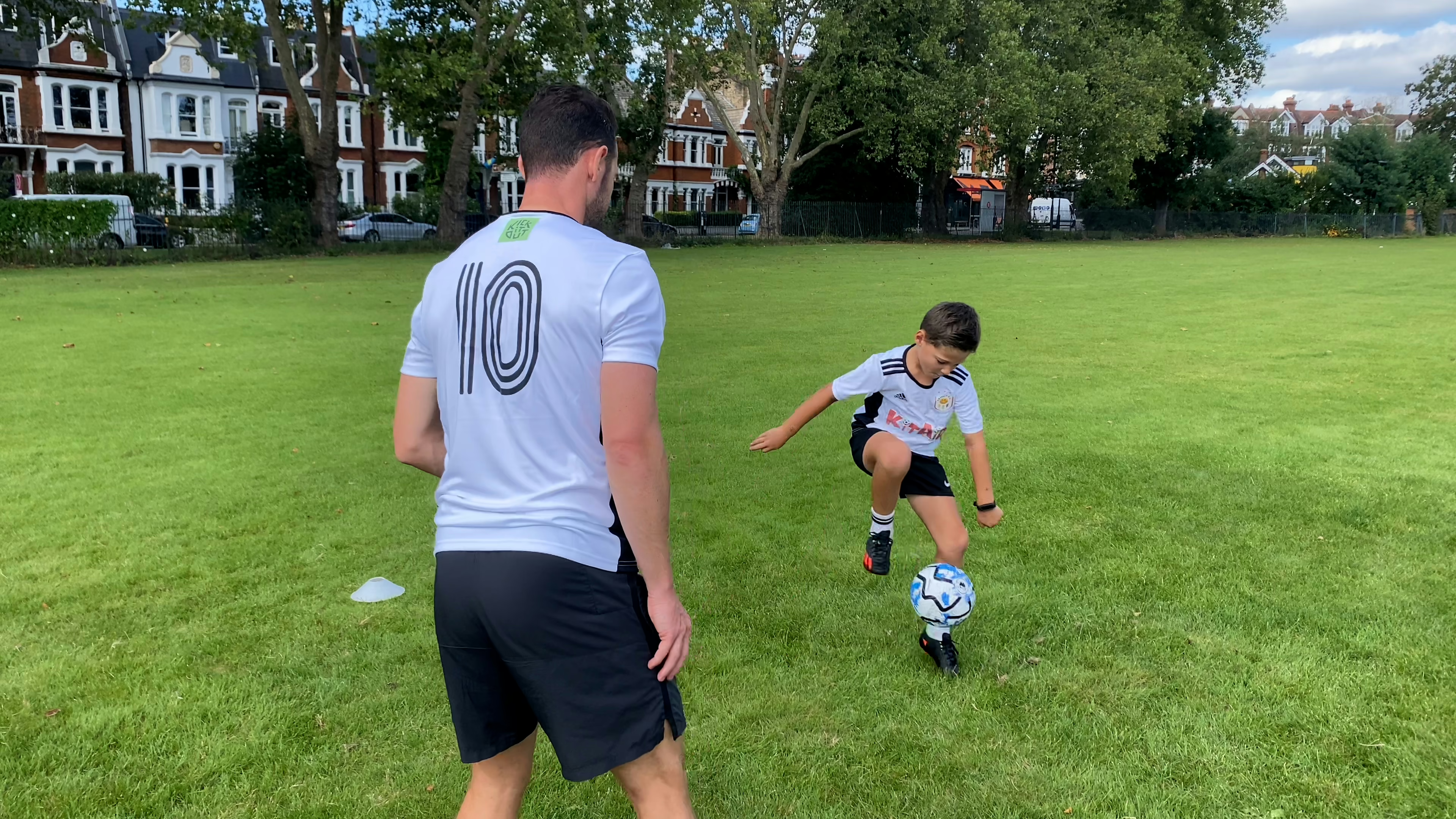
The ticket prices for the 2026 World Cup are troubling, and fan groups are right to raise their concerns. For most families, attending in person is simply not possible. Yet that doesn’t mean the magic of the tournament disappears. In fact, it can be just as special at home.
The World Cup is more than a complex fixture schedule; it’s a chance to create lasting memories for our kids. For most of us, the living room TV will always be a place where World Cup legends are discovered, families share excitement, and dreams take root. But those dreams only grow stronger when the kids step outside. A ball, a patch of grass, and a few minutes together before kick-off can turn watching into doing. Real smiles and real progress start with simple habits. For many children, this is healthier, more affordable, and more confidence-building than any big trip that strains the family budget. Ten minutes of practice can spark a habit that lasts. And when children feel involved, when they can play, improve, and belong, then they’re far more likely to keep football in their lives long after the tournament ends.
For those lucky enough to travel to Canada, the USA and Mexico, we wish you the trip of a lifetime. For everyone else, we celebrate you. The parent who chooses fresh air before the match. The child who learns a new skill and then is excited to spot it on TV. The heart of football lives in families, not in expensive tickets. A ball, a few cones and plenty of encouragement are all it takes for children to learn, grow and dream.
The World Cup will be an incredible festival of football. Almost all of us will watch it together at home. Let us use that time to build our kids’ confidence, connection and skills. Play before you watch and keep the joy alive after the final whistle.
