




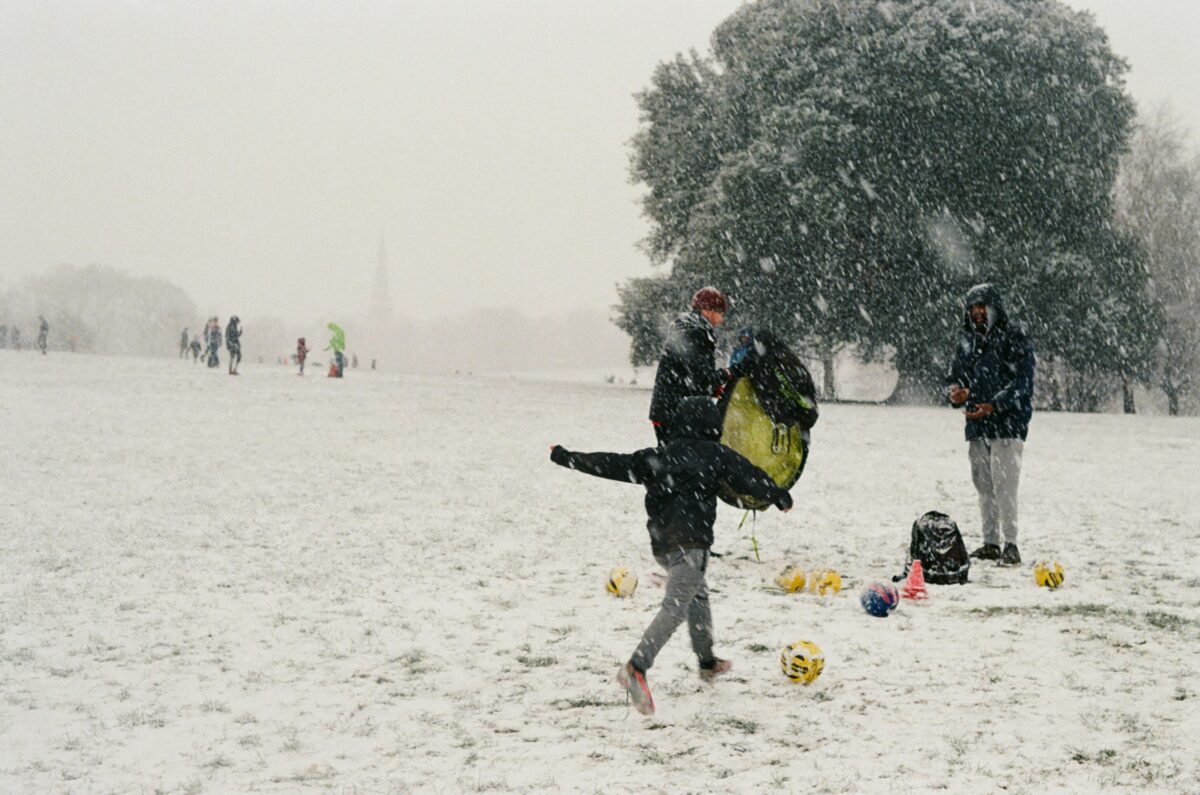
Why Outdoor Winter Play Matters for Kids
As Christmas approaches, families everywhere lean into traditions, some passed down for generations, others newly created, and a few beginning for the very first time. Families evolve as life changes, and so do their rituals, presents under the tree, church services, games after dinner, or a cosy film on the sofa. Boxing Day might bring a brisk walk to blow away the cobwebs. Whatever your rhythm, these moments weave the magic of the season, grounding us and reminding us what matters most.
But here’s the truth: winter shouldn’t mean shutting the door on outdoor play. The more time we spend indoors, the less active we become, and that matters most for children. Kids today spend half as much time outdoors as they did thirty years ago, losing twelve hours of play each week since the 1970s. That decline coincides with rising obesity, asthma, attention deficit disorder, and vitamin D deficiency. We cannot afford to take away an entire season of outdoor play. Winter is not a time to keep kids inside, it’s a time to help them thrive.
Winter Play Outdoors is Not Optional. It is Essential.
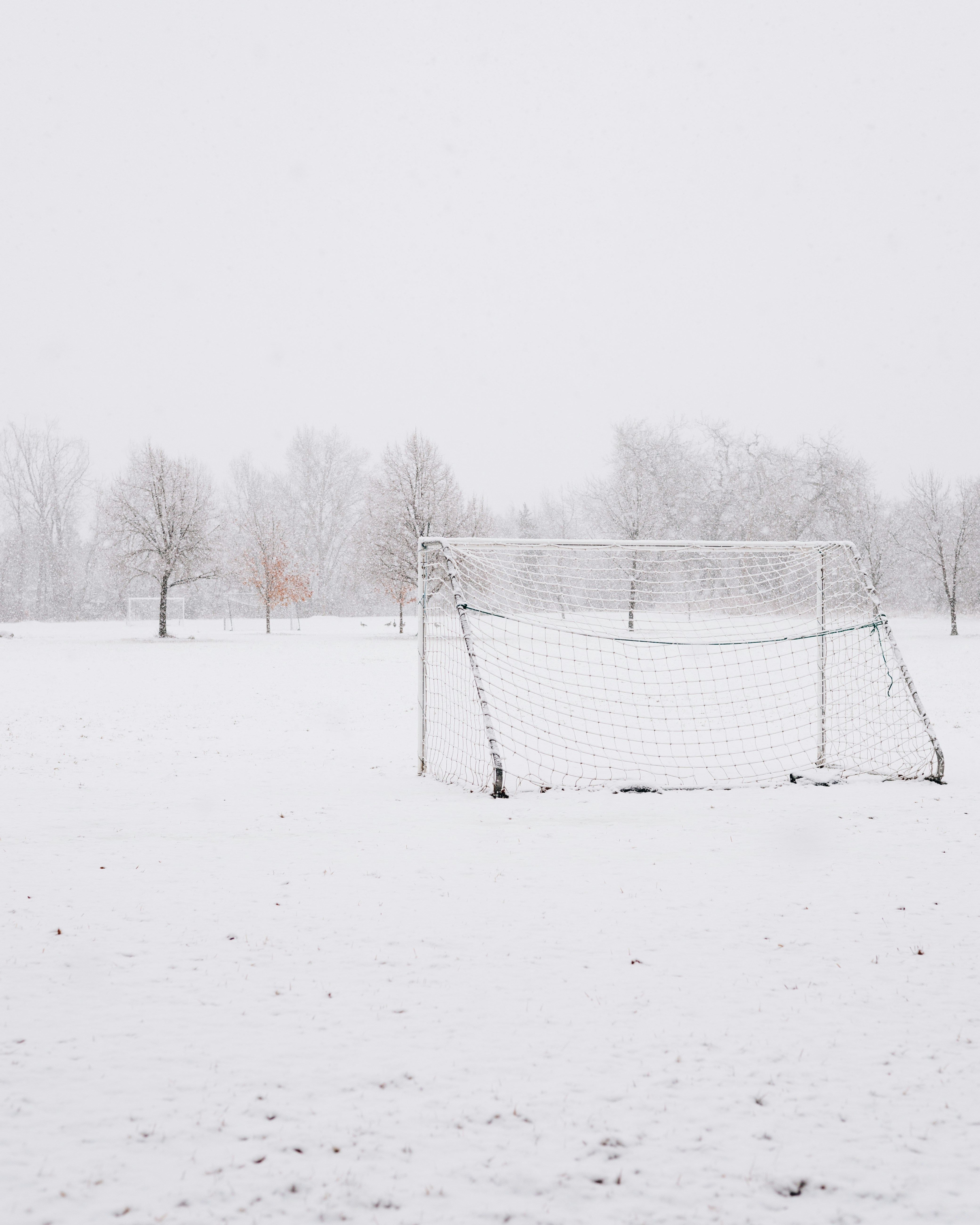
Outdoor play in cold weather builds resilience, persistence, and joy. It gives children the movement their bodies need. “To be healthy, children need several hours of movement a day preferably outdoors where the senses are fully alive and their bodies are free to move in many different ways,” says Angela Hanscom, a paediatric occupational therapist. Fresh air and sunlight boost circulation, vitamin D, and immunity. And contrary to myth, colds come from indoor germs, not chilly breezes. Dr Michel Cohen, founder of Tribeca Pediatrics, puts it plainly. “Running around outside in the winter is far more beneficial than being cooped up indoors.” Beyond physical health, nature lowers stress, improves sleep, and teaches kids to adapt. These are skills they will carry for life. Winter play is not optional. It is essential.
Shared Experiences Strengthen Families
The benefits go beyond health. Time outdoors gives children unique sensory experiences and the chance to learn persistence. They discover that they can manage when life feels challenging and that they have the resources to adapt. Whether it means adjusting their attitude, wearing warmer gear, or finding new ways to enjoy nature, these lessons build confidence. Kids who spend time outside are happier and sleep better. They also get sick less often because fresh air reduces exposure to indoor germs. Nature offers joy and calm in a season that can otherwise feel stressful. For parents, joining in these activities lowers stress too and creates shared moments that strengthen family bonds.
Start New Rituals and Traditions This Christmas
Christmas is the perfect time to start new outdoor rituals and traditions that kids will remember and look forward to every year. A Boxing Day family walk can lead to treasured memories. Pair outdoor time with cosy indoor rituals like hot chocolate and a Christmas film when you return. These small traditions help children associate winter with joy and connection rather than confinement. They also give families a reason to spend time together in nature. A football kickabout is an ideal way to get things going. Start with just a few minutes and build from there. Don’t tell the kids, but fresh air and shared experience is one of the most lasting presents you can give them.
UK Football Festive Traditions
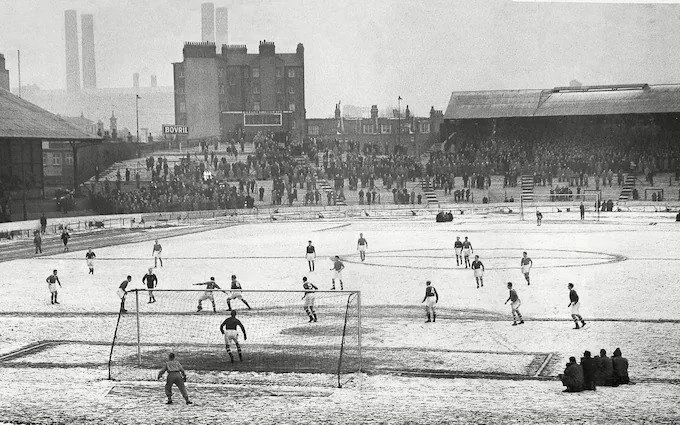
Photo Credit: The Norcliffe Collection
In the UK, football has always had a place at Christmas. Up until the late 1950s, fans wrapped up in new scarves from Father Christmas and headed out to watch a full programme of matches before sitting down to their festive dinner. In the Victorian era, when many of our Christmas customs were born, football was a central part of the celebrations. Everton even played two matches on Christmas Day in 1888 and another on Boxing Day. For decades, families built their Christmas around football, singing carols on the terraces and sharing hip flasks in the snow. Those traditions faded as television and changing lifestyles took hold, and the last English league match on Christmas Day was played in 1965. But the spirit of festive football never disappeared. Today, Boxing Day fixtures remain a highlight of the season, and for many families, watching or playing football is still part of our holiday rhythm. Whether it is a kickabout in the garden, a game in the local park, or cheering on your team from the sofa, football brings people together in the same way it did for generations past. It is a reminder that Christmas is about connection, laughter, and shared experiences.
Make Football Part of Your Family Tradition
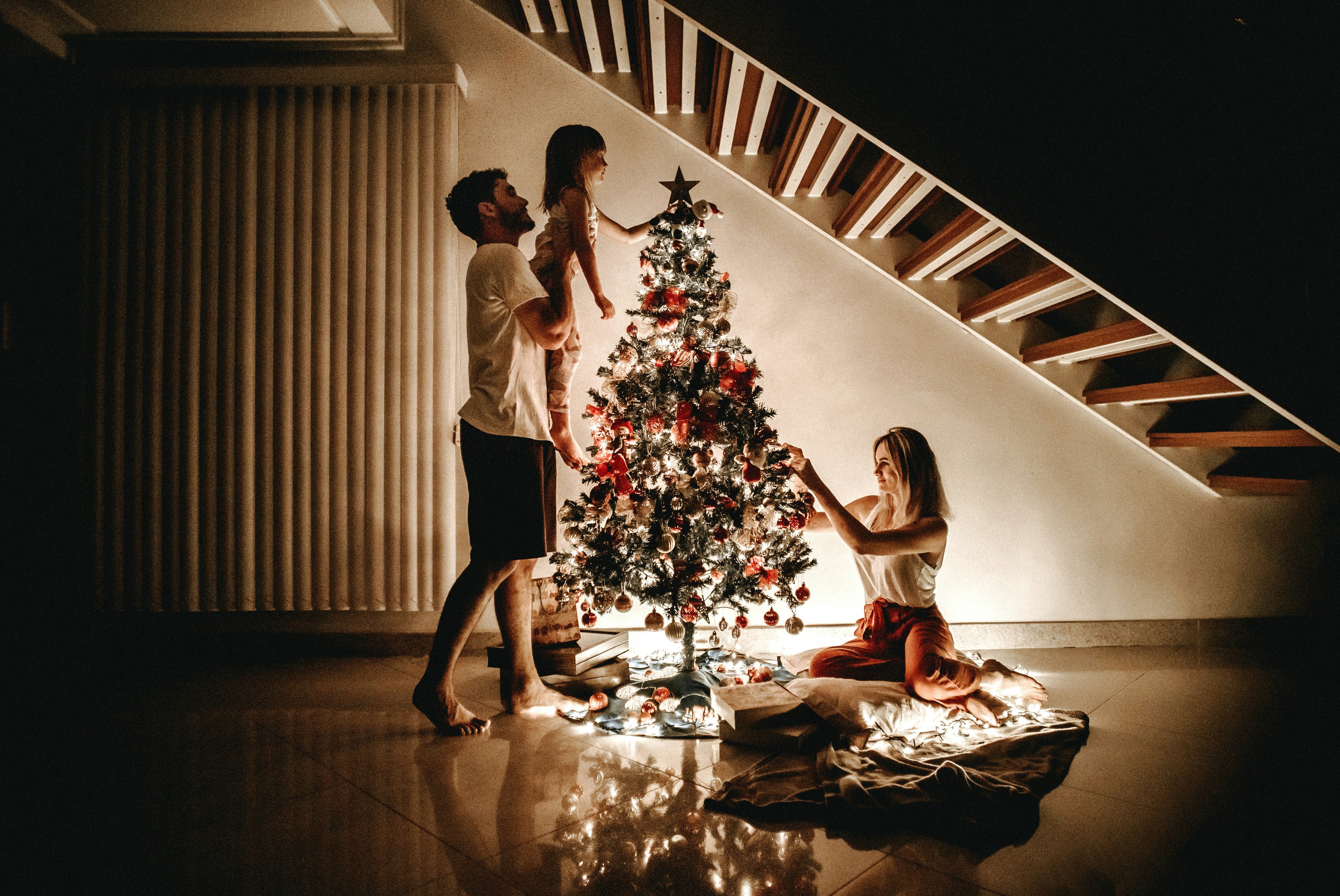
Why not make football part of your own family traditions this year? A Christmas Eve five-a-side, a Boxing Day park match, or even a penalty shootout in the garden can become traditions that children look forward to as much as presents under the tree. The rosy cheeks, the laughter, and the return to warmth and hot chocolate afterwards create memories that last. Just as Victorian families once braved the cold for the beautiful game, we can revive that spirit in our own way, keeping football and togetherness at the heart of Christmas.
So, what can families do to make this Christmas healthy, happy, and full of connection? Here are five actions to think about:
Five Actions for Families This Christmas
- Use the Family F.C. App for at least one hour of fun football activities together
- Plan one other outdoor activity during Christmas week, such as a walk or a kickabout
- Involve grandparents or extended family in outdoor games to make it multigenerational
- Pair outdoor time with cosy indoor rituals like hot chocolate and a Christmas film
- Reset quickly after indulgence and return to healthy habits
Christmas is about more than gifts. It is about moments that matter. It is about laughter in the park, rosy cheeks in the garden, and the warmth of family when you come back inside. At Family F.C., we believe these moments are where memories are made. This year, let us make them count.