



Football is more than a game. It’s a culture, a community, and for many, a lifelong passion. The FA’s Equality, Diversity and Inclusion Progress Report 2025 (https://www.thefa.com/news/2025/dec/02/review-of-2024-2028-edi-strategy) is a powerful statement of intent, outlining how the sport can become more inclusive and representative. It celebrates progress in areas such as gender equality, disability inclusion, and grassroots diversity. But as I read through the report, one thought kept returning, where are families in this conversation?
If we truly want to build a game free from discrimination and full of opportunity, we must start at home. Families are the first coaches, the first cheerleaders, and the first safe spaces for young players. Encouraging parents to play and learn alongside their children is not just a nice idea, it’s a strategic necessity. Here’s why, and how this vision aligns with (and builds upon) the FA’s deliverables.
Increasing the Number of Players from Underrepresented Groups
The FA reports that 15.3 million people play football regularly across England, with notable growth among women, girls, and disabled players. Initiatives like Build, Connect, Support for South Asian communities and the Made for This Game campaign for women and girls are commendable. The rise in participation, such as a 4% increase in women and girls playing football and 90% of schools offering equal access for girls is of course a milestone worth celebrating.
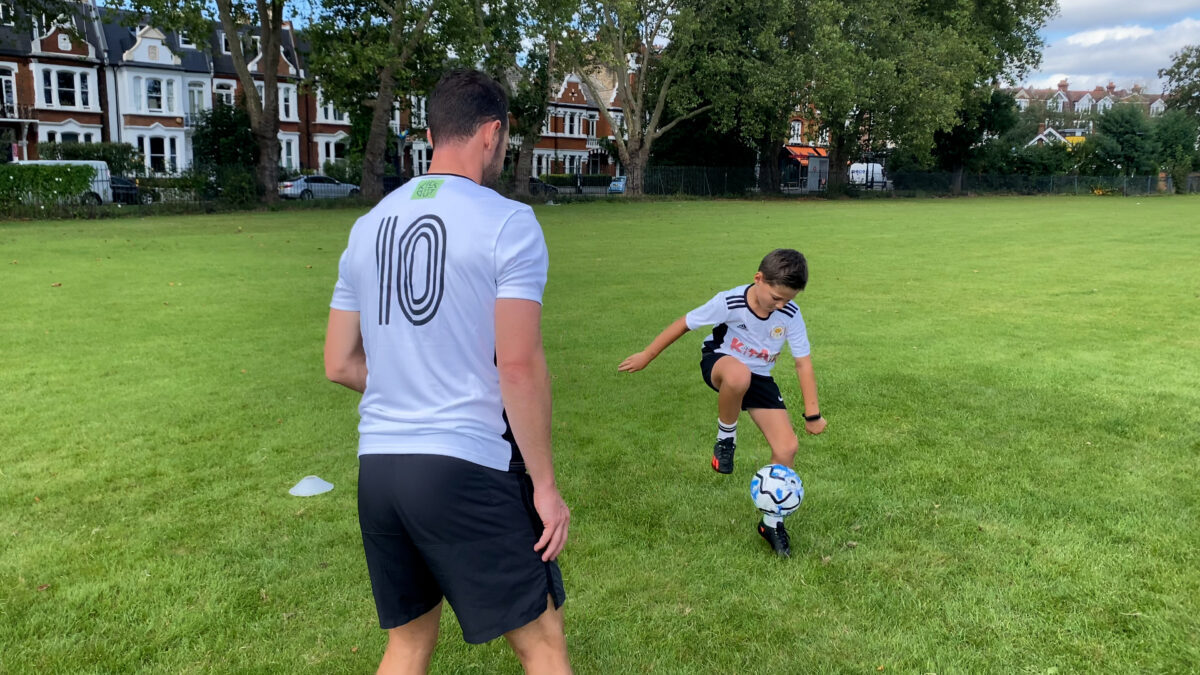
But here’s the challenge. Participation starts early, and confidence starts even earlier. We know form experience that if a child’s first experience of football is positive, inclusive, and fun, they’re more likely to stay engaged. Families can make this happen. Imagine a parent and child practicing together in the park, not just for fitness but for bonding and skill-building. These moments create resilience, self-belief, and a love for the game that formal coaching alone cannot replicate.
The way I see it is that campaigns should not only target schools and clubs, they should also equip parents with tools and confidence to coach basic skills at home. A simple app, yes, like the Family F.C. App could transform family time into football time.
Improving Development Opportunities for Young Female Players
The FA’s Girls’ Emerging Talent Centres (ETCs) have delivered an 87% increase in players from ethnically underrepresented groups over three years. This is a fantastic achievement and we can all applaud it. But talent pathways often feel distant and intimidating for families unfamiliar with the system.
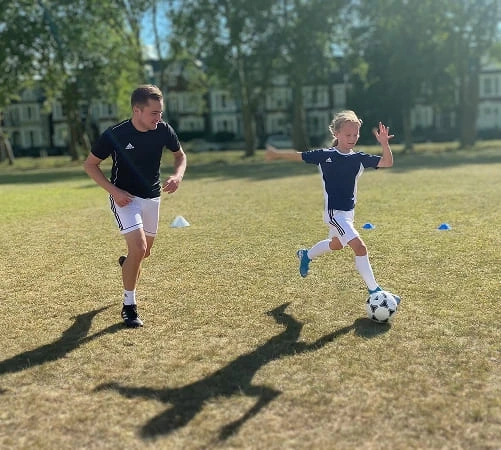
I believe we should try harder to demystify these pathways. Parents should not only know what opportunities exist, but how to access them, and how to support their child’s journey. More importantly, families should feel empowered to nurture skills at home before a child enters an ETC. This isn’t about replacing professional coaching, it’s about building confidence and competence early, so young players arrive ready to thrive and less likely to be intimidated by a new environment.
Delivering Meaningful Campaigns Across the Game
The FA’s campaigns, Enough is Enough, Rainbow Laces, and Flag It, are tackling discrimination and promoting inclusion. These efforts are crucial for shaping attitudes at every level of the game.
Families are also powerful influencers of behaviour. If parents model respect, inclusion, and fair play, children absorb those values naturally. Campaigns should therefore include family-focused messaging, encouraging parents to talk about diversity, challenge stereotypes, and celebrate differences. Football is a mirror of society; let’s make sure the reflection starts at home.
Driving Best Practice into County FA Networks
The FA has achieved full compliance with its Code of Governance across all 50 County FAs which is a significant milestone. Inclusion Advisory Groups and monthly seminars are embedding EDI principles locally.
But could the County FAs go further? Maybe by hosting family engagement events, where parents learn about grassroots opportunities, coaching basics, and how to support their child’s development. These events could also address cultural barriers, offering translation services or tailored advice for communities underrepresented in football. We’d be happy to talk about ways of delivering this.
The Missing Piece: Families as Partners
The FA’s report is ambitious and inspiring, but it leaves a gap. Families are not explicitly part of the strategy. Yet they are the foundation of every young player’s journey. By involving parents in coaching and development, we can:
- Boost confidence in young players before they join formal teams.
- Reduce drop-out rates by making football a shared family experience.
- Promote inclusion by breaking down cultural and logistical barriers.
- Create lifelong fans and advocates who value diversity and respect.
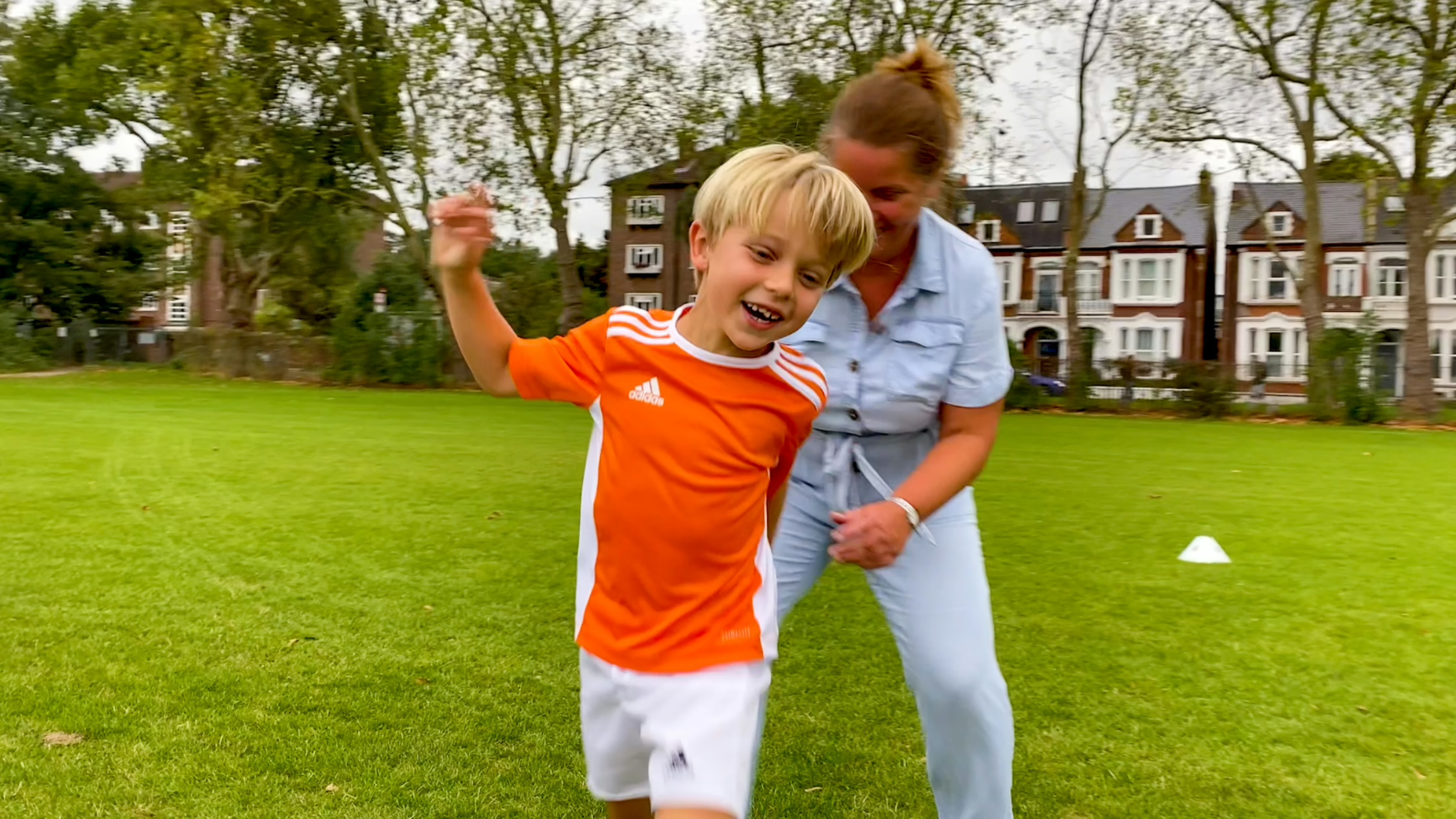
This isn’t about adding another layer of complexity. This level exists parallel to coaching journeys. Rather, it’s about leveraging the most natural support system children have. Families already invest time and love into their children’s activities; let’s channel that energy into football.
A Call to Action
As we look ahead to 2026 and beyond, I would urge the FA and its partners to consider these 3 steps:
- Develop family-focused coaching resources – apps, videos, and guides for parents.
- Host local family football sessions through County FAs.
- Celebrate family stories in EDI content series, showing how parents and kids grow together through football.
Football has the power to unite communities but its greatest strength lies in the bonds formed at home. If we want a game free from discrimination and full of opportunity, let’s start where every journey begins, with families.