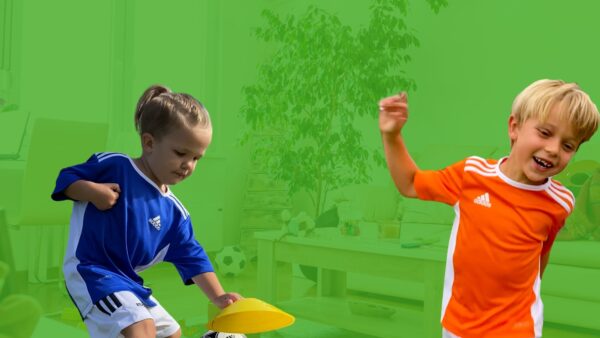





Across England, something is shifting. For the better. The latest Active Lives Children and Young People Survey from Sport England shows that 49.1% children now meet the Chief Medical Officers guideline of at least sixty minutes of activity a day.
That is the highest level since the survey began in 2017. It is progress worth celebrating. Yet, alongside that figure sits another, 28.4% of children are still classified as less active, doing under thirty minutes daily on average. The glass is moving towards half full, but more than half of our children are still missing the mark.
Mind the Gap!

Even during the school day, the picture is uneven. The guidance says children should get 30 minutes of activity at school and another 30 minutes outside school. The report shows that 46% manage the school part and 57% manage the outside school part. That gap matters because what happens after the bell rings is down to family life. The routines at home make the difference.
Inequalities That Cannot Be Ignored
Some children are getting far fewer chances to be active than others. The survey shows that kids from families with the least money are the least active with only about 45% hitting the daily physical activity target, compared to 58% in the most comfortable households. And when life throws in extra challenges, like health issues or limited access to safe spaces, then the gap gets even bigger. Just 40% of those children are meeting the physical literacy guidelines, compared with more than half of those without those barriers.
This is not just a statistic. It means kids who need the benefits of movement most are the ones missing out. And, understandably, it is not something schools can fix overnight. That is why waiting for the system to change is not enough. We need simple, practical ways for families to make movement part of everyday life, starting now.
Why Physical Literacy Matters
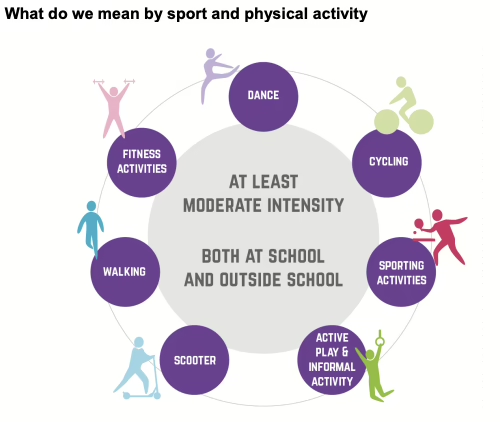
Source: Sport England 2025
Not everyone will know what physical literacy means, so let’s make it clear. Physical literacy is simply about how children feel about moving and being active. It is not just about fitness or sport. It is about building confidence, enjoyment and a sense of belonging. The Sport England report breaks it down into three parts:
- Positive and meaningful relationship – enjoying activity, feeling it matters and seeing the value in it.
- Learning and development – building skills, confidence and understanding.#
- Positive experiences – feeling included and having opportunities to take part.
We know from working with Family F.C. coaches, mums, dads and kids that when children feel good about being active, they do it more often. The survey shows this clearly. When a child feels positive about enjoyment, value and meaning, 66% are active compared with only 36% who do not feel that way. When they feel confident and understand why activity is good for them, 66% are active compared with 35% who do not.
“Physical literacy is not about ticking boxes. It is about helping children feel confident, enjoy movement and believe they belong. When families lead the way, those feelings grow stronger every day.” – Tim Miller
In simple terms, the more positive a child feels about moving and being active, the more likely they are to keep moving. And it is not just about minutes of movement. Happiness rises too. Children with three or four positive attitudes score around 7.6 to 7.8 out of ten for happiness, compared with 6.2 to 6.6 for those with none. If you are a parent, you will recognise this. When a child enjoys what they are doing, believes it matters, understands why it helps, feels confident and keeps going when it gets tough, everything else becomes easier.
Schools Are Moving Slowly
It is tempting to say that schools should fix this but they are not as nimble as families can be. Many already are improving, and we should applaud them. Activity during school hours has climbed by about six percentage points compared with 2017 to 18.
Yet, this is the kind of change that moves by increments. Timetables are tight. Space is contested. Staff are stretched. In the long run, the school day will continue to evolve for the better, but in the short run an individual child needs more than system change. They need daily wins. They need a family that can turn ten minutes into a habit. They need a doorway into confidence.
The Family F.C. Approach
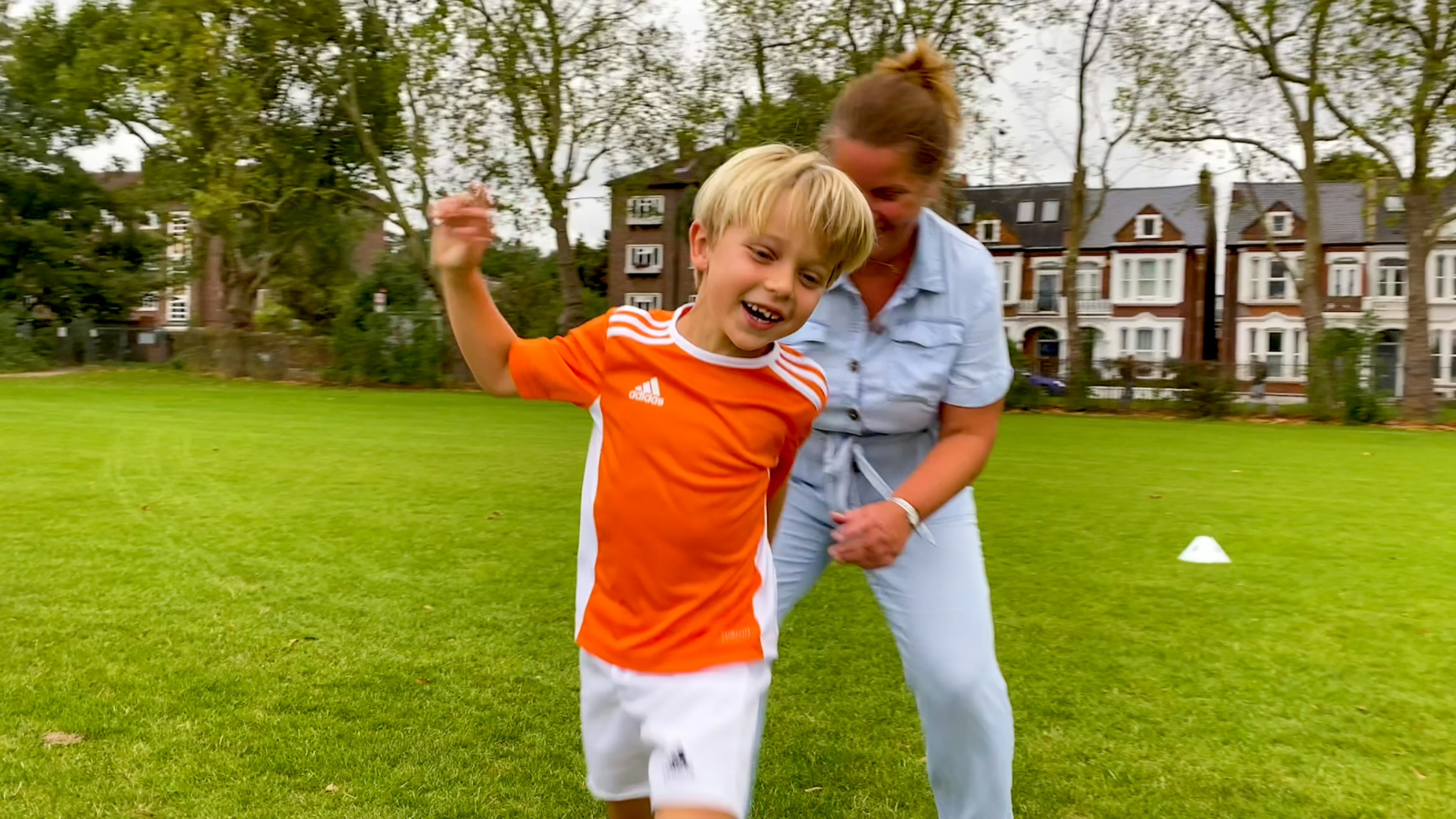
That is the starting point for Family F.C. We built our coaching app around an attitude first philosophy because the survey evidence makes it unambiguous. When attitudes are strong, activity and wellbeing follow.
We favour short, everyday sessions. Fifteen minutes can be enough to tip the balance. A small local park can offer the space for year round sessions. No special kit is required. The app sets out micro sessions that begin with smiles and curiosity and grow gradually into skills and persistence.
Inside each session, we aim to lift enjoyment, value and meaning. We prompt children to notice how movement changes how they feel and why it matters to them. In parallel, we nudge learning and development. Movement is strengthened through small ladders of challenge. Connection is built in co-operative games that emphasise kindness and working well with others. Thinking grows through simple explanations and short reflections about why activity is good and how to get involved. Feeling develops through gentle pushes that build confidence and the habit of staying with something when it is tricky.
Over time, we also focus on creating positive experiences. We designed the app so every child feels included and knows they have a real chance to take part. We want children to feel their ideas matter and that there are welcoming spaces for them to be active.
What Families Are Telling Us
I have heard so many parents say the same thing, the way a session feels makes all the difference. One mum told me how the usual arguments about exercise disappeared when they started with a 5 minute fun game that made them both laugh. A dad said his son now sets up the cones before he even gets home from work. These small changes add up. Across England, walking, cycling or scootering (is that a word?) to school is now the most common way to travel. 61% of children do it. Families can make that time count. It can be a daily dose of movement, a chance to chat, share a joke and feel connected. It is not complicated. It is consistent. And consistency is what builds confidence.
The Urgency of Now for 4-11 year olds
If you want to see the urgency inside the numbers, look at age. Activity among early secondary years is rising, and there has been a gradual upward trend among the older secondary years too, but the lowest activity sits in the junior years three and four. That is the moment when habits and self-beliefs are forming quickly. It is exactly when family routines can have the greatest effect.
“We cannot wait for the system to catch up. Every laugh, every game, every shared moment at home is a step towards a healthier, happier child.” – Tim Miller
For girls, the enjoyment gap widens with age. We have designed content that offers autonomy, softer competition and non-judgemental progression, so that girls can feel safe to try, pause, and try again. For households under pressure, we offer drills that are zero cost and location light, with prompts that work offline if data is scarce. When the survey tells us the least affluent are stuck at 45%, our response must be a set of actions that fit real evenings, real weekends, real budgets.
Beyond Sport: Belonging and Confidence

You might wonder what changes first when families start doing this. From what we see, the first thing is mood. Children feel happier and more relaxed. Next comes confidence, you can see when kids start to believe they can do it. After that, the amount of activity begins to grow, and it happens naturally rather than feeling forced. The survey backs this up. Children who feel positive about learning and developing new skills are not only more active, they also feel happier and more able to trust other children.
For me, that is the most reassuring part. It shows that family sport is not just about fitness. It is about feeling connected and building a sense of belonging.
A Call to Action
The national system will continue to push forwards and we should give it time. We should also refuse to stand still while time passes. If the country reaches its goals in five or ten years, that will be a good day, but if you are a child today, you need help this evening. You need your family beside you now. You need something simple to start with, something that does not demand perfect weather or perfect kit or perfect focus.
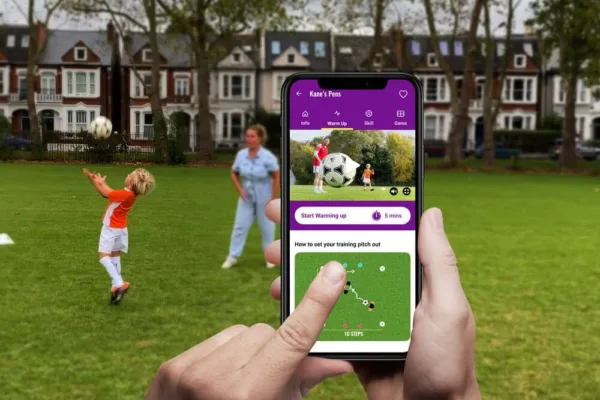
In the Family F.C. app we have worked hard to make starting simple and enjoyable. One session. Fifteen minutes. A warm-up that makes you smile. A short challenge that makes you proud. A game that reminds you to be kind. And a new skill that makes your child believe they can do more than they thought. Then a quick reflection that asks how it felt and why it mattered. The next day, you do it again.
This is what Family F.C. is all about, helping families learn together, play together and connect together. Those three ideas run through everything we do because they turn activity into something bigger than exercise. They make it fun, meaningful and shared.
“Learn together, play together, connect together. That is the Family F.C. philosophy. It turns activity into something bigger than exercise – something that builds confidence and brings families closer.” – Tim Miller
If this sounds right for your family, take the first step today. Download the Family F.C. coaching app and start the first challenge. Pick a time you can keep. Choose a space that works for you, however small. Share your progress if you want to, or keep it just for your family. Invite a friend to join in. Visit www.familyfc.com to download the app and get your free starter session. The first step is waiting. The change begins when you take it.