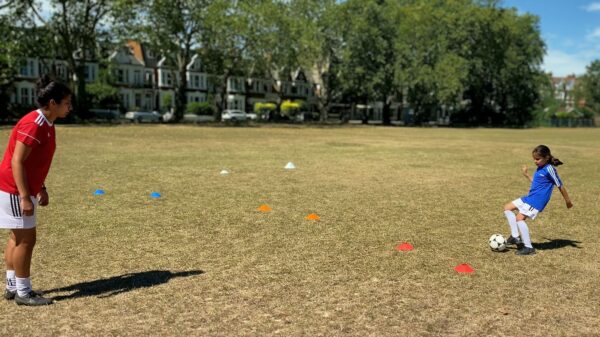





A Mid-Season Pause and Time for a Fresh Perspective
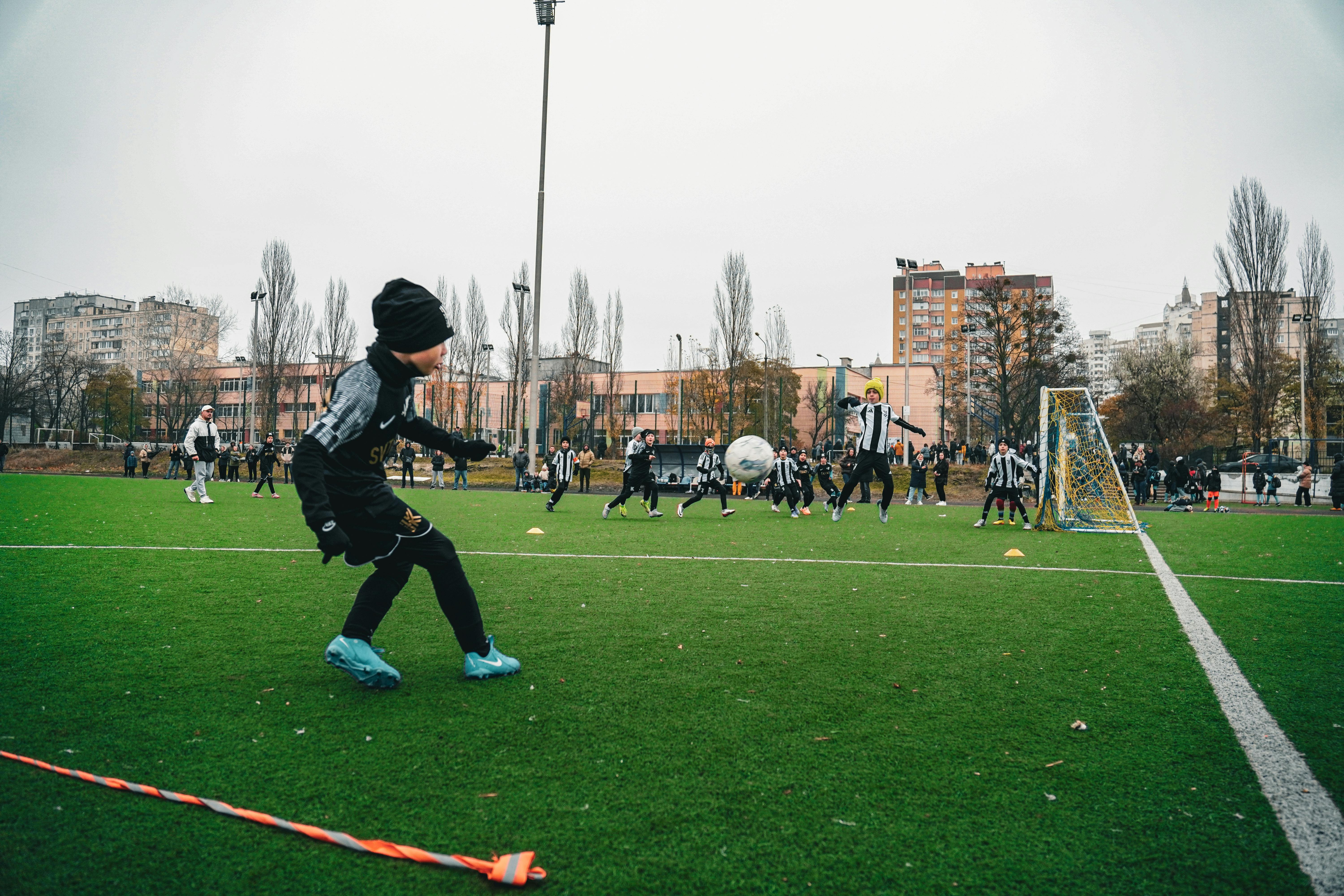
Across much of Europe, football takes a breather over Christmas and New Year. The Bundesliga calls it the Winterpause. Spain and France do the same. Even in England, where Boxing Day football is a tradition, the schedule softens a little. Why? Because players and coaches need time to draw breath, reset, and think about the second half of the season.
That idea isn’t just for professionals. It can work for families too. Not by stopping football altogether, but by taking a moment to reflect. A chance to ask, “How can we make the next few months more enjoyable and more productive for our kids?”
This isn’t about pulling the plug on play. It’s about easing the pace just enough to let bodies and minds recover while keeping the joy alive. Children can tire of routine just like adults do. A small reset helps them come back sharper, more focused, and ready to learn.
When football runs flat-out without pause, progress can stall. Overtraining doesn’t build better players and it can do the opposite. Young bodies need time to grow naturally and heal those little knocks that, if ignored, can turn into bigger problems. And let’s not forget sleep as good sleep is the best recovery tool there is. Parents can use this time to get back to consistent routines that restore energy and resilience.
“A pause is not about stopping. It is about creating space to breathe, reflect and come back stronger – for children and for families.” – Tim Miller
A pause doesn’t mean doing nothing. Light movement, stretching, or fun games help keep kids active without stress. It’s also the perfect moment to talk together about what’s gone well so far, what could improve, and any goals for the rest of the season. These conversations make children feel involved and valued.
This window is also a chance to rebuild healthy habits with kids. Better nutrition, proper hydration, and fixing bad habits like skipping warm-ups can all start here. Most importantly, slowing down a little protects the joy of football. Kids enjoy the game more when they’re not pushed nonstop. That’s how we avoid burnout and keep football fun for the long term. And as the break ends, ease back in. A few light drills or ball touches in the last couple of days will make the restart smooth and stress-free.
So, what if families used this pause not just for recovery, but for reflection on their kids’ football development? At Family F.C., we believe the answer lies in something small but powerful: micro-moments.
What Are Micro-Moments?

Micro-moments are the little things that make a big difference. A quick kickabout in the garden. A warm “Great effort today!” on the way home. A choice between two drills. These moments seem tiny, but they build confidence, connection, and joy. We know that kids don’t stay motivated because of trophies or league tables. They stay motivated because they feel:
- I have a say (autonomy)
- I’m getting better (competence)
- I belong here (connection)
“Big changes start with small moments, micro moments. A question on the way home, a skill chosen for practice, a word of encouragement. These are the building blocks for a kid’s confidence.” – Tim Miller
When those feelings disappear, motivation dips. If that goes on, kids can burn out or even quit. The good news? We’ve seen small, positive interactions can turn things around.
Why This Matters for Parents
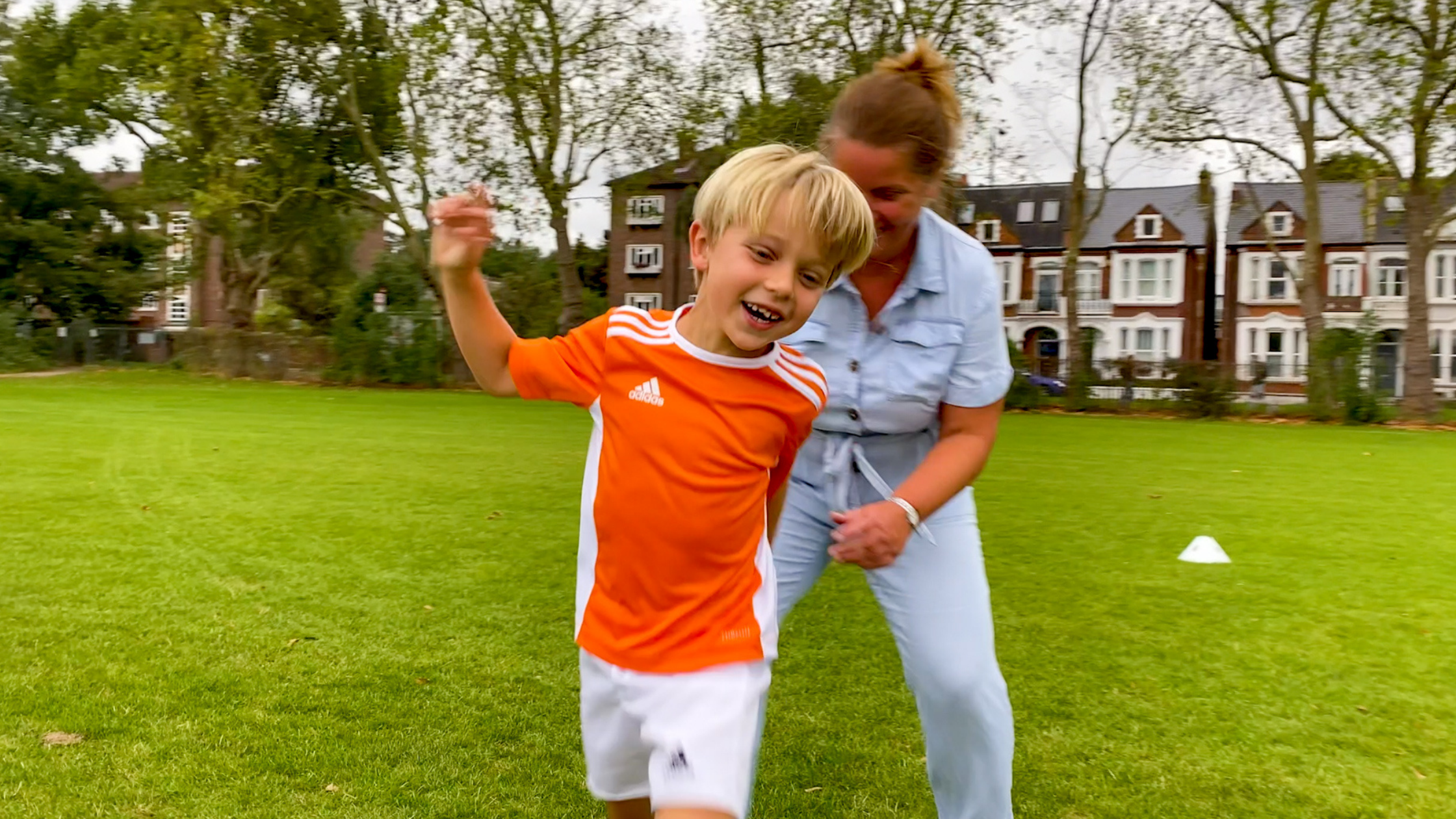
As parents, we often think we need big solutions, such as more training, more coaching, more structure. But the truth is, small beats big when it comes to keeping kids engaged.
Here’s why:
- Kids aged 4–11 live in short bursts of energy and attention.
- They thrive on choice and encouragement, not pressure.
- They learn best when fun comes first.
So instead of asking, “How do I overhaul everything?” ask, “What’s one small thing I can do today?”
Five Micro-Moment Ideas for the Christmas and New Year Holidays
The festive season is perfect for starting new habits. Here are five easy wins:
- The One-Question Journey Home. On the way home from a coaching session, ask “What did you enjoy most today?” Then listen. No fixes, no judgment, just listening.
- Two-Choice Practice. Offer a choice “Cone dribbles or wall passes?”
Let your child pick. Choice builds confidence. - Sixty-Second Replay. Ask “Show me one skill you’re proud of.” Reliving success makes it stick.
- Breathe and Reset. When frustration hits, pause for three slow breaths. And say, “That drill was tough, wasn’t it?” Naming feelings helps kids bounce back.
- Weekend Reflection. Mum and dad can ask, “What felt different this week?” It’s a simple way to notice progress and normalise change.
Parents and Kids: The Original Team
One of our core beliefs is that mums and dads are not just a taxi drivers or sideline cheerleaders. They’re a critical part of their kids team. Research shows that when parents offer their children choices, notice effort, and respond with warmth, kids stick with sport longer and enjoy it more.
So, for coaching sessions and games, parents can swap the questions they ask about a little.
- “Did you win?” for “What did you enjoy?”
- “Why didn’t you…?” for “Want to show me the tricky bit?”
These small shifts change the tone – and the kids’ experience.
We created the Family F.C. App for real families living real lives. It is designed to fit around your day, not dictate it. That is why it is flexible and easy to use. You choose what matters today, not what a rigid plan tells you to do.
“Football should feel like joy, not pressure. When families learn together, play together and connect together, the game becomes something kids will love for life.” – Tim Miller
The activities within the App are short and practical. Most take between three and ten minutes, which makes them perfect for busy families when time is tight. You can pick and mix modules to suit your child’s interests. Ball mastery, turns and feints, passing, balance, the choice is yours. If your child wants to work on their weaker foot today, brilliant. If tomorrow they fancy trying a new skill, that is just as easy.
Every activity includes a simple technical tip and a prompt for connection, such as asking “What felt better this time?” These little cues turn practice into shared moments that matter. They make football fun and keep the focus on encouragement rather than pressure.
And when it comes to progress, we celebrate effort and learning, not leaderboards. Kids coached by mum and dad with the Family F.C. App feel proud because they are improving, not because they are competing. That is the heart of Family F.C., building confidence through small wins.
I often say the app is a toolkit for tiny victories, because tiny victories are what help children grow. They are the building blocks of confidence, and confidence is what keeps kids playing, learning and loving the game.
Your Holiday Game Plan
The festive period is a great time to keep things simple and enjoyable. You do not need a complicated schedule or long sessions. Just a few small steps that fit easily into family life.
Start with one sentence of praise each day. Something specific that recognises effort, like: “You kept trying that turn today. Brilliant persistence.” It takes seconds, but it makes a big difference.
Twice a week, set aside five minutes for a choice-based activity using the Family F.C. App. Let your child decide: “Ball mastery or turns? You choose.” Giving them control builds confidence and keeps practice fun.
And once a week, take a moment to reflect together. Maybe ask “What felt different for you this week?” It is a simple question that opens the door to conversation and helps kids notice their own progress.
That is all it takes. Three easy steps. No pressure. Just steady progress and plenty of smiles.
Coaches: Partners in Micro-Moments

Grassroots coaches play a huge role in shaping the experience for children and families. The best coaches know that football is not just about drills and results, it is about creating an environment where kids feel confident, included and excited to come back next week. One of the simplest ways to do that is through small habits that make a big difference.
Ending a session by asking, “What did you enjoy today?” is a powerful signal. It shifts the focus from performance to enjoyment and reminds every child that their voice matters. Rotating roles so that children lead warm-ups is another easy win. It gives them a sense of responsibility and shows that leadership is not reserved for the most talented players. And when giving feedback, pairing a technical tip with an emotional check-in, something as simple as, “How did that feel?” helps children connect progress with confidence.
These moments do more than improve skills. They tell families that change is normal and support is shared. When coaches and parents work together in this way, football becomes more than a game. It becomes a space where children learn, grow and love what they do.
Final Thought: Start Small, Start Now
You don’t need a grand plan. You need tiny acts, repeated often. Tonight, ask “What did you enjoy most about today’s session?” Tomorrow, open the app and let your child choose one session they enjoyed to run again. Next week, notice one small win and celebrate it. Micro-moments aren’t magic. They’re practical. And they work.